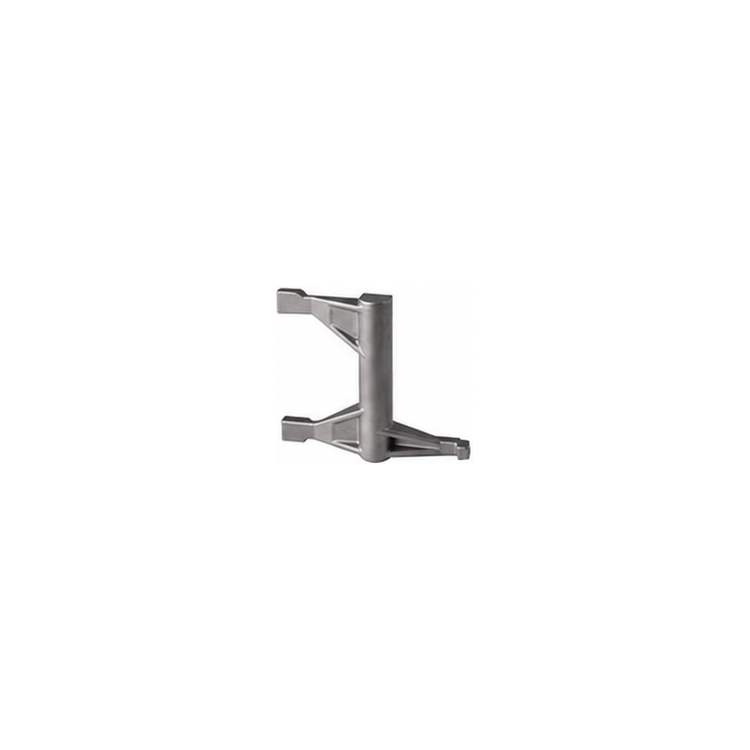
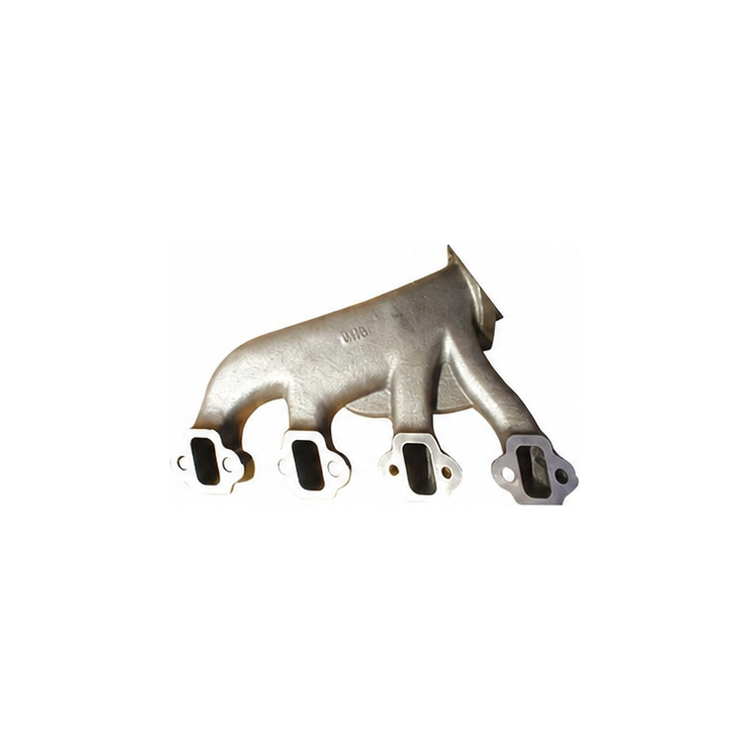
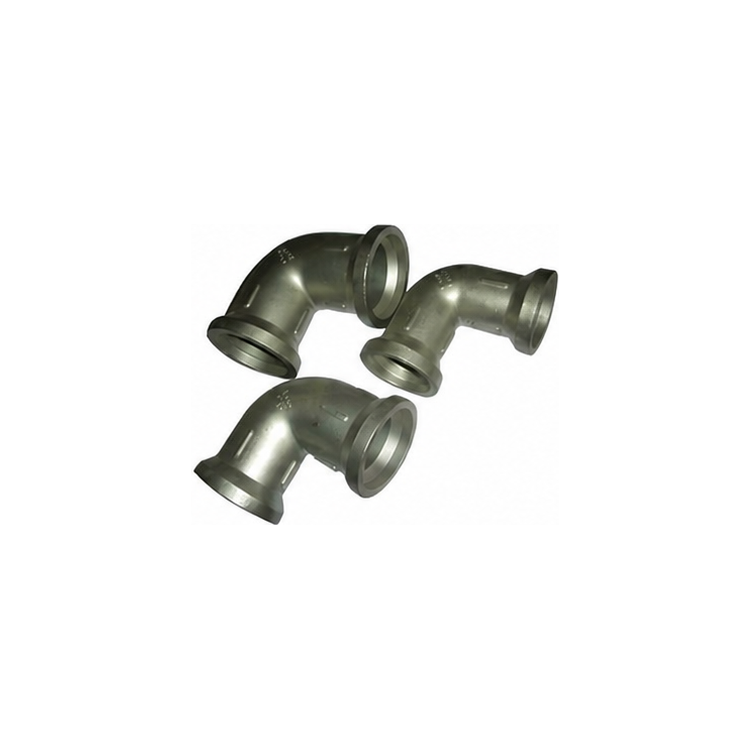
Automotive Flanged Air Intake Housing Gallery
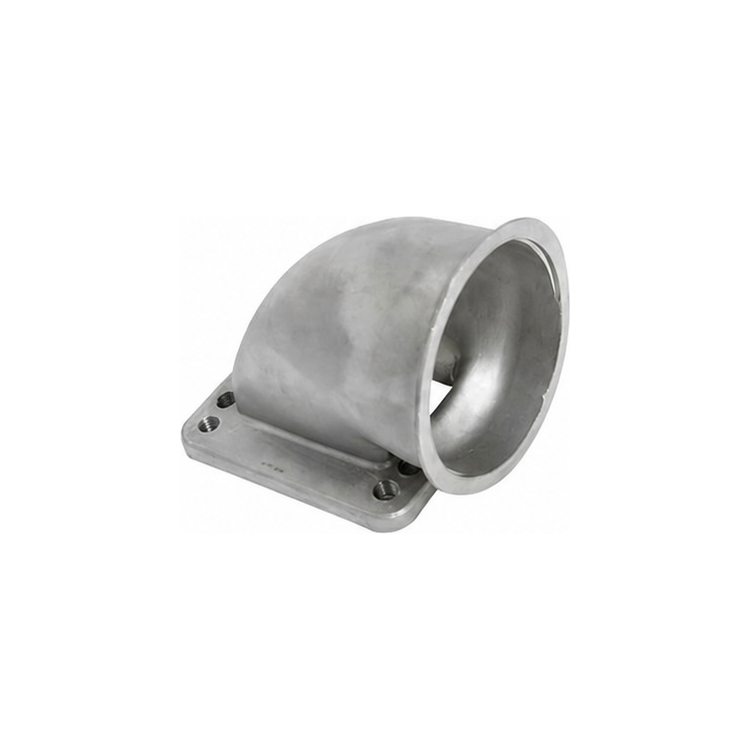
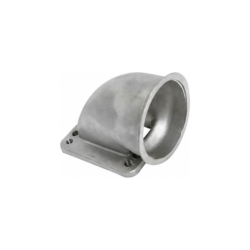


Built for automotive assemblies exposed to heat, vibration, packaging limits and repeat foundry sequence-stable production demands, Automotive Flanged Air Intake Housing is planned from the customer casting definition through tooling, casting and final verification. Highyoung Casting coordinates precision lost-wax foundry casting combined with allowance-planned machining and application-specific heat treatment and documents the agreed critical features.
Automotive lost-wax foundry casting Parts is engineered for automotive assemblies exposed to heat, vibration, packaging limits and repeat foundry sequence-stable production demands. Highyoung Casting reviews wax tooling, shell building, pouring conditions and downstream allowance-planned machining allowances and then defines a practical combination of casting, allowance-planned machining and finishing for the required fit and service conditions.
Automotive lost-wax foundry casting Parts is engineered for automotive assemblies exposed to heat, vibration, packaging limits and repeat foundry sequence-stable production demands. Highyoung Casting reviews wax tooling, shell building, pouring conditions and downstream allowance-planned machining allowances and then defines a practical combination of casting, allowance-planned machining and finishing for the required fit and service conditions.
Automotive lost-wax foundry casting Parts is planned through precision lost-wax foundry casting combined with allowance-planned machining and application-specific heat treatment. Highyoung Casting connects tooling, casting parameters, secondary operations and first-article confirmation points so approved samples can move into repeat foundry sequence-stable production with a controlled sequence.
Automotive lost-wax foundry casting Parts is checked against the approved casting definition and order-specific acceptance criteria. Highyoung Casting emphasizes stable foundry sequence parameters from first article approval through repeat batches, including melt-controlled alloy, dimensional and surface records when they are specified for the project.